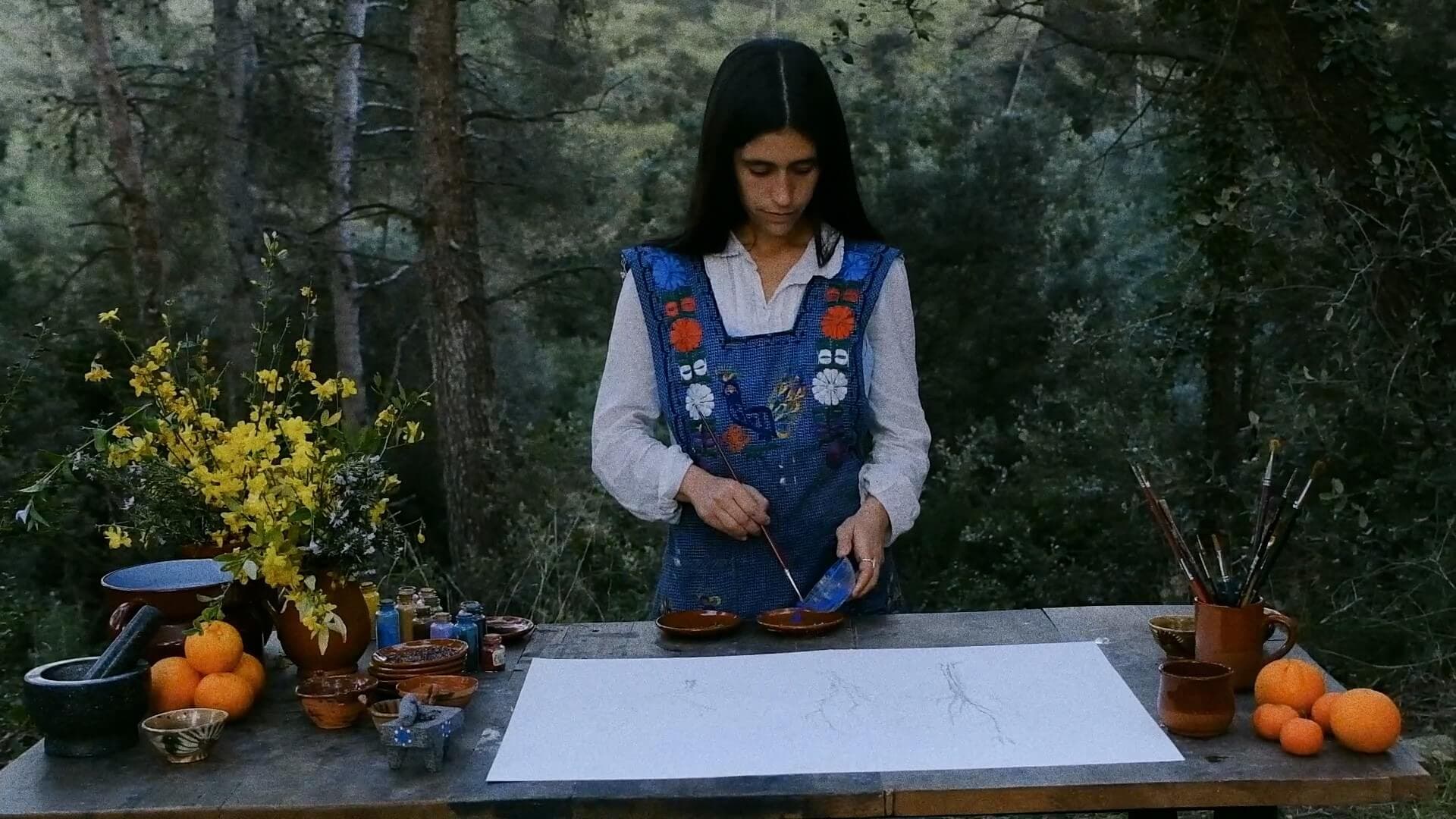
Ancient, natural methods solve a modern paint problem
Modern acrylic paints include synthetic ingredients (plastics), so what’s an artist to do if they seek to create their art without harming the natural world they admire?
Tips, guides, and inspiration from our community of gardeners and horticultural experts.

Modern acrylic paints include synthetic ingredients (plastics), so what’s an artist to do if they seek to create their art without harming the natural world they admire?

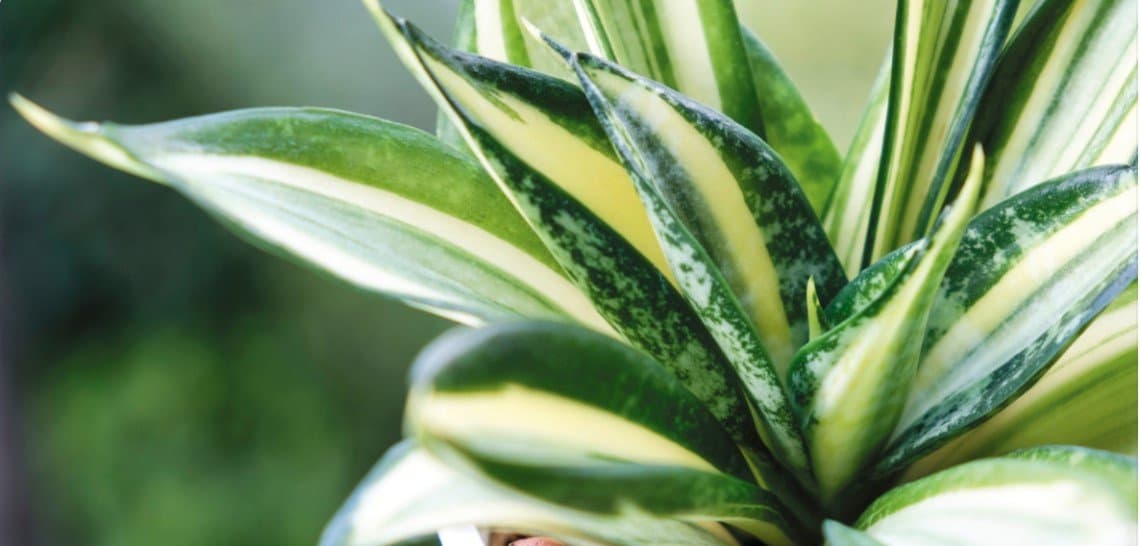
Spending time with greenery helped Jodianne so much that she decided to get a plant of her own — a snake plant.

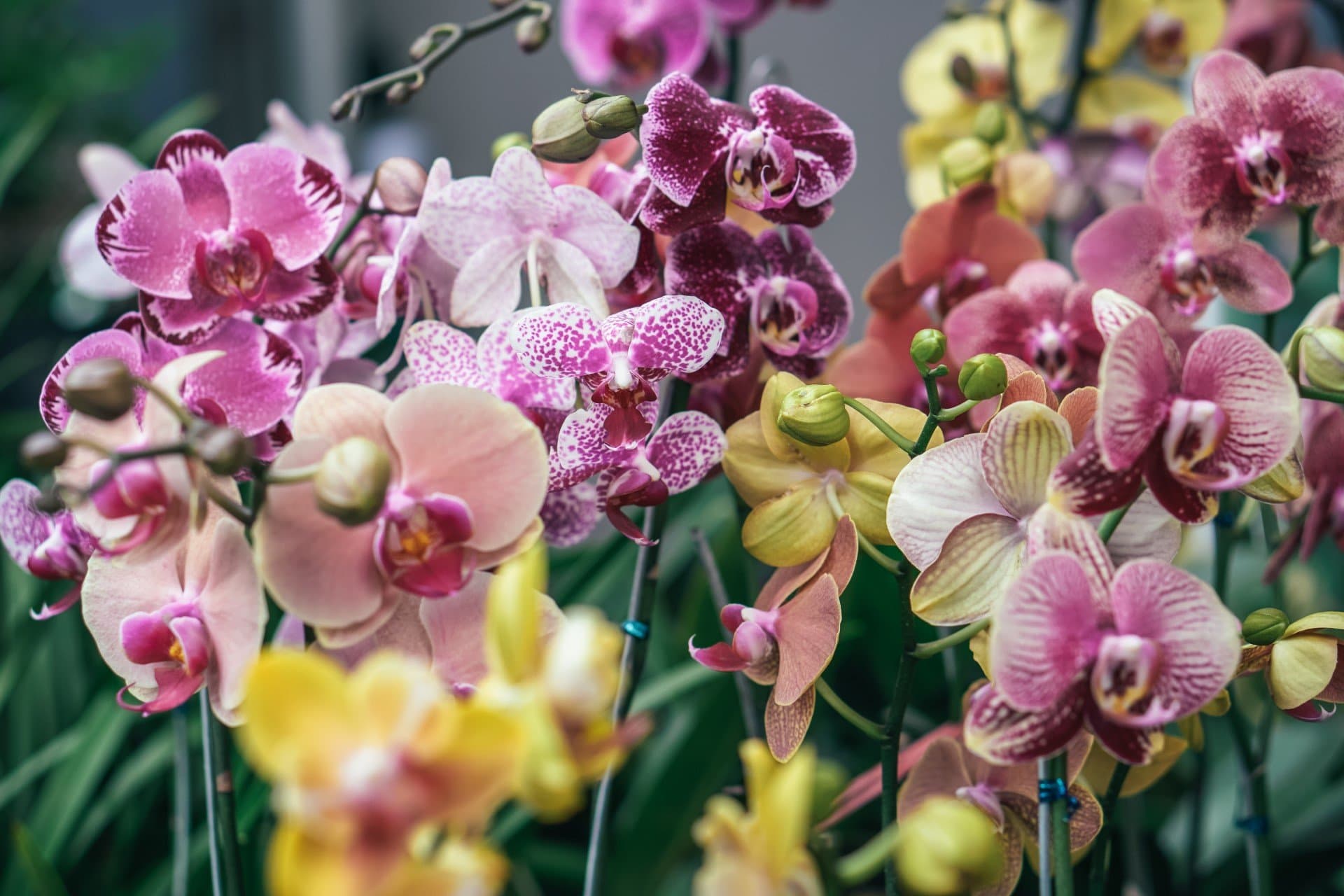
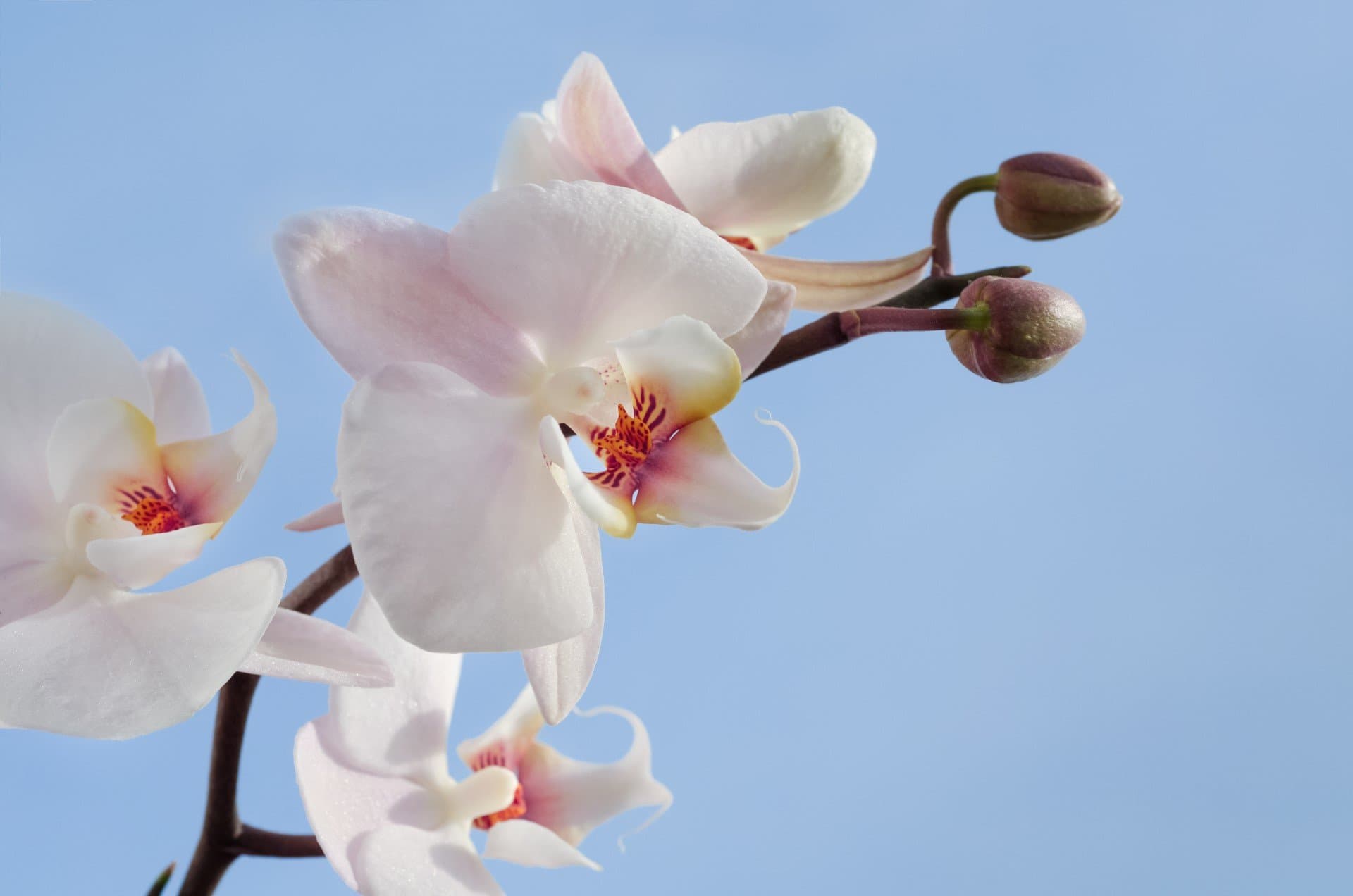
If your orchid’s leaves are leathery, floppy, and not firm enough to resist when you (gently) bend them backwards, we hate to say it, but it’s likely dehydrated.

We’re well into a new year, and as gardeners we find ourselves in the same dilemma as always, it seems — which seeds to sow this season, and when?

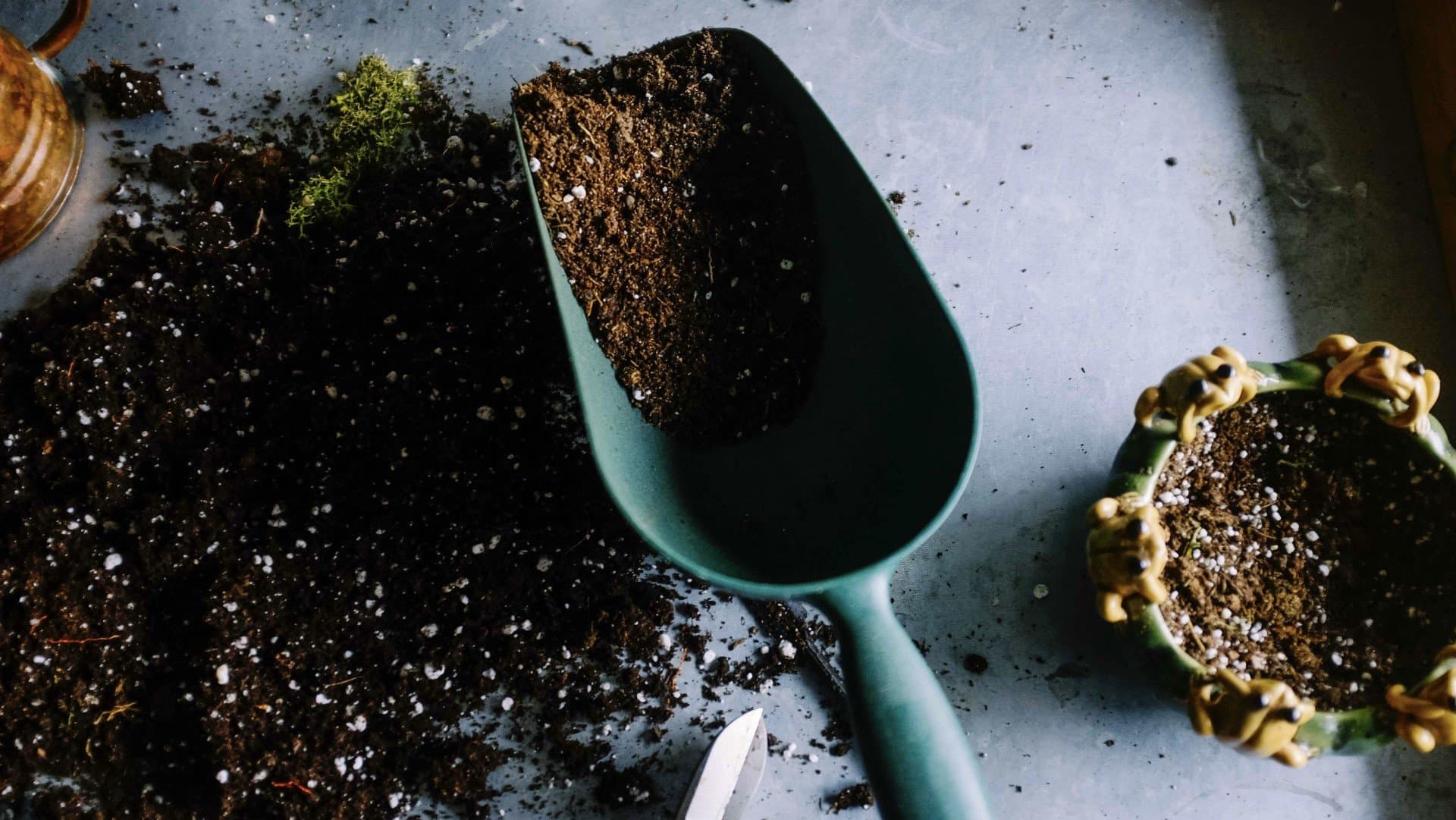
In this final part of our series, we’re going to learn from Aaron about how to nourish soil back to health. First up, a discussion of some traditional methods of improving soil health.

In this next segment, Aaron’s going to take us through a little bit of diagnosis, to help you find out if your plant’s soil is doing well, or if it needs a little TLC so it can do its best job of nourishing and helping to ensure good, lovely plant growth.

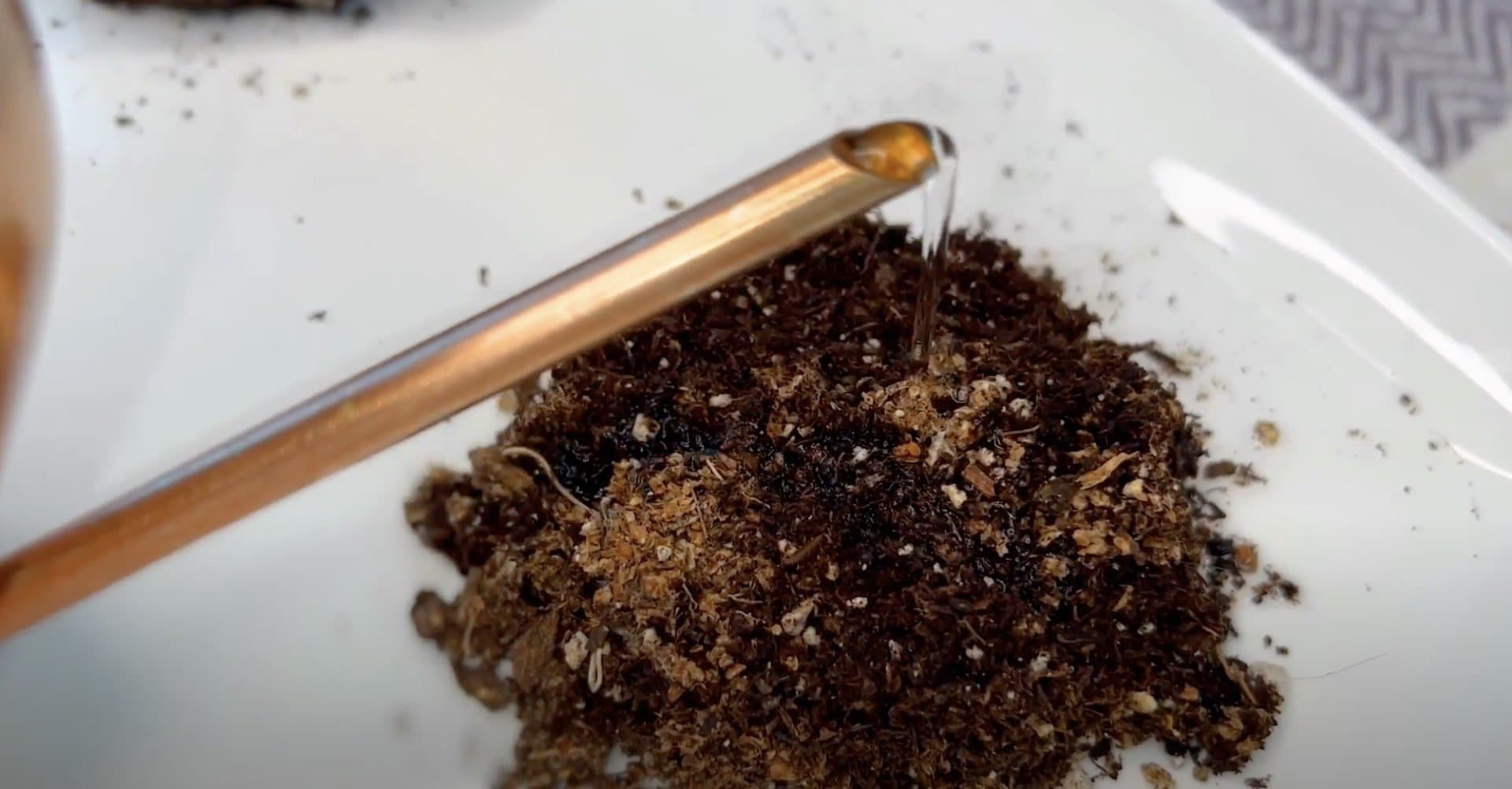
Aaron Deacon, owner of Bios Nutrients knows a lot (a lot!) about soil. We reached out to him to see if he’d like to share some of his wisdom with us in a series we’ve decided to call “The Healthy Soil Classroom”.

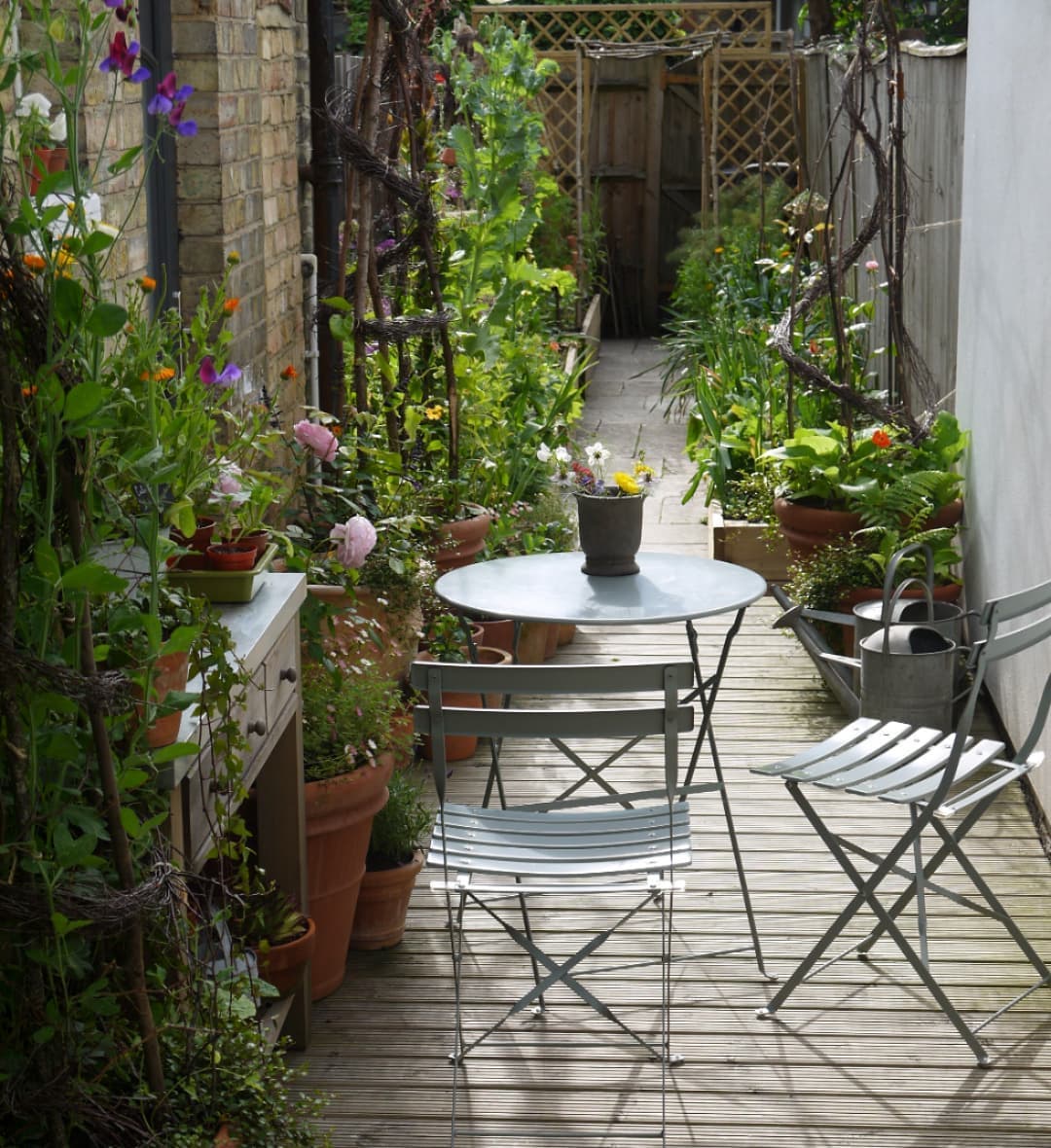
With Spring officially starting soon, the next few weeks will be crucial in preparing your garden for what comes next and transitioning smoothly from spring bulbs to perennials and summer annuals.

If you have questions about caring for your orchid, we have answers! From watering to re-blooming, we have a couple of friendly videos that are sure to help you out.
Sign up for our weekly newsletter. We promise to only share good stuff about plants and people who love plants.