
September Garden Transitions: Essential Tasks for Changing Seasons
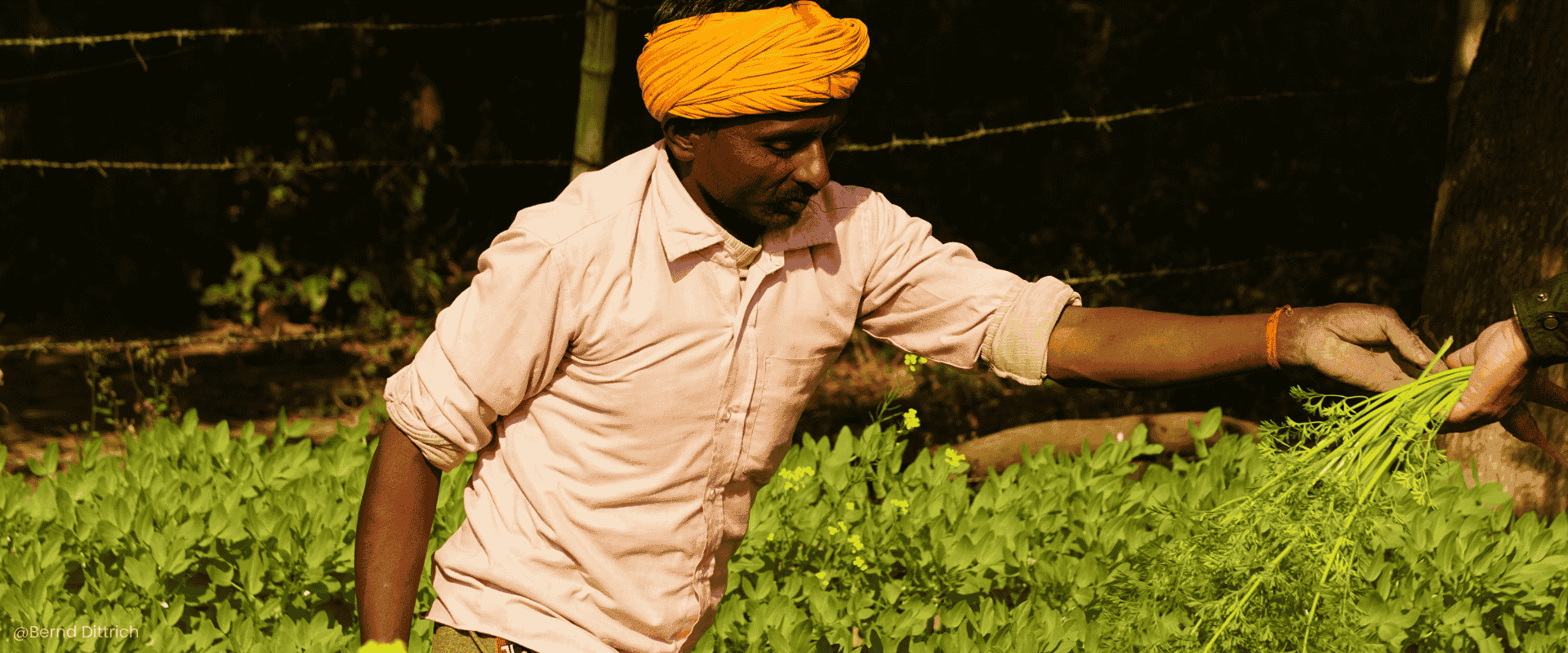
Master the critical September transition period with targeted tasks for both Northern and Southern Hemisphere gardens. Essential strategies for seamless seasonal shifts.
September represents gardening’s most dynamic month – a time when seasonal garden transitions demand immediate attention and strategic action. Whether you’re experiencing autumn’s arrival in the Northern Hemisphere or spring’s awakening in the Southern Hemisphere, success depends on understanding and responding to your garden’s changing needs.
Garden transitions aren’t just about switching crops – they’re about adapting your entire gardening approach to work with shifting weather patterns, daylight hours, and soil conditions.

Northern Hemisphere: Essential Autumn Tasks
Harvest acceleration becomes critical as temperatures begin dropping. Warm-season crops like tomatoes, peppers, and aubergines need harvesting before first frost threatens. Green tomatoes can ripen indoors, while peppers can be preserved through drying or freezing.
Frost protection preparation ensures extended harvests. Install row covers, prepare cold frames, and gather materials for emergency plant protection. Many gardeners successfully extend their growing season by 4-6 weeks with simple protection methods.
Cool-season planting opportunities abound in September. Lettuce, spinach, radishes, and Asian greens thrive in cooling temperatures. These crops often produce better quality leaves in autumn’s moderate conditions than during summer heat.
Soil amendment timing is perfect now. Add compost, aged manure, and organic matter while soil organisms remain active. This preparation creates rich, fertile soil for next spring’s planting.
Connect with transition experts on Gardenstead who share real-time frost dates, protection strategies, and autumn planting successes from your specific region. Join our community and learn from local gardening wisdom.
Southern Hemisphere: Essential Spring Tasks
Soil preparation takes priority as temperatures warm and growing season approaches. Test soil temperature with a thermometer – most seeds germinate best when soil consistently reaches 10-15°C (50-59°F).
Cool-season direct sowing can begin immediately in most regions. Lettuce, spinach, peas, and broad beans establish well in September’s moderate temperatures. These crops provide fresh harvests while you prepare for warm-season planting.
Infrastructure readiness ensures smooth season startup. Check irrigation systems, repair any winter damage, and prepare seed starting areas. Clean and sharpen tools while you have time before the busy growing season begins.
Succession planting planning maximises harvest potential. Plan staggered sowings every 2-3 weeks for continuous production. Map out your garden space to accommodate multiple plantings throughout the season.
Universal September Strategies
Weather monitoring becomes crucial during transition periods. Unexpected temperature swings can damage crops or create missed opportunities. Use local weather resources and connect with nearby gardeners for microclimate insights.
Pest management requires adjustment as seasonal pest pressures change. Beneficial insects may be less active during transitions, requiring alternative control methods. Monitor plants closely for early pest detection.
Water management needs recalibration. Northern gardeners may reduce watering as temperatures cool and rainfall increases. Southern gardeners often need to increase irrigation as plant growth accelerates and temperatures rise.
Microclimate utilisation helps optimise transition success. Identify the warmest and coolest spots in your garden. Use these microclimates strategically for different crops and protection needs

Planning for Transition Success
Task prioritisation ensures essential work gets completed first. Focus on time-sensitive activities like harvesting and planting before moving to preparation tasks.
Documentation of transition activities provides valuable reference for future years. Note what works, what doesn’t, and timing of key events in your specific location.
Community connection amplifies your transition success. Local gardeners provide insights that general advice can’t match. Share experiences and learn from others navigating the same seasonal changes.
September’s transition period offers unique opportunities to extend harvests, establish new crops, and prepare for the season ahead. Success comes from understanding your local conditions and taking timely action.
Ready to master your September transitions? Join gardeners worldwide on Gardenstead sharing transition strategies, local timing advice, and seasonal success stories. Our global community helps you navigate every seasonal change with confidence. Start your transition success today and make this September your most productive yet!
