
Seed Saving Secrets: How to Build Your Own Garden Legacy
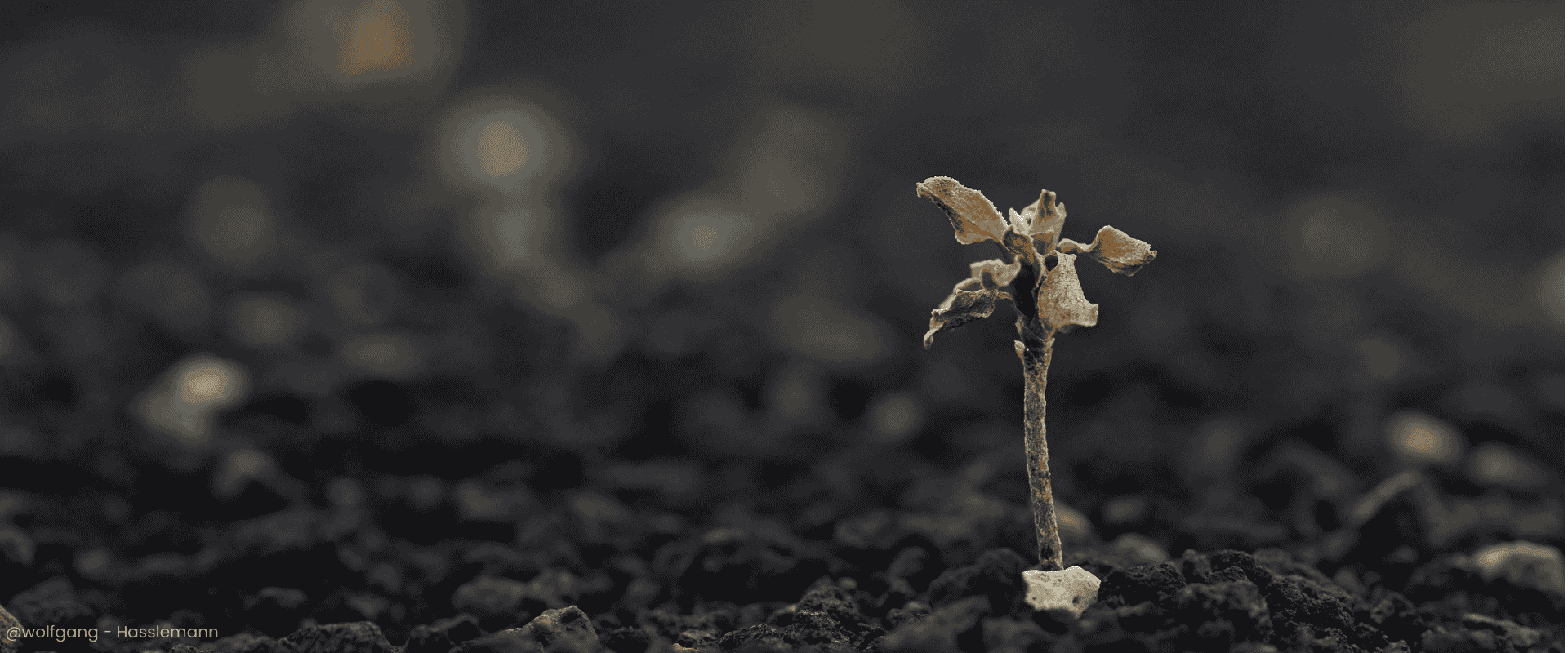
Discover the ancient art of seed saving and create a garden that gets better every year. Learn expert techniques for collecting, storing, and sharing seeds that will transform your growing experience.
Every gardener dreams of that perfect tomato, the beans that climbed higher than expected, or the lettuce that stayed sweet all summer long. What if you could capture that magic and make it even better next year? Seed saving isn’t just about preserving varieties – it’s about creating your own garden legacy, one seed at a time.
For thousands of years, gardeners have been the guardians of genetic diversity, carefully selecting and saving seeds from their best plants. Today, this practice is experiencing a renaissance as more gardeners discover the joy of growing truly unique varieties adapted to their specific conditions.
The Science Behind Seed Saving Success
When you save seeds from your own plants, something remarkable happens. Each generation becomes more adapted to your soil, climate, and growing conditions. This process, called local adaptation, means your saved seeds often outperform store-bought varieties after just a few seasons.
Open-pollinated varieties are your best friends for seed saving. Unlike hybrids, these plants produce seeds that grow true to type, meaning your saved seeds will produce plants similar to their parents. Look for terms like “heirloom,” “heritage,” or “open-pollinated” on seed packets.
Northern Hemisphere: Prime Collection Season
For Northern Hemisphere gardeners, late August through September is prime seed collection season. Summer crops like tomatoes, peppers, beans, and herbs are reaching maturity, making this the perfect time to select your best performers for seed saving.
Dry processing seeds like beans, peas, and lettuce are ready when pods rattle and plants begin to yellow. Harvest on a dry morning after dew has evaporated. Wet processing seeds from tomatoes and cucumbers should come from fully ripe, even slightly overripe fruits for maximum seed maturity.
Herb seed collection is particularly rewarding now. Allow basil, coriander, and dill to flower and set seed. These aromatic seeds often have better flavour than store-bought versions and adapt beautifully to your growing conditions.

Southern Hemisphere: Spring Seed Starting Success
Southern Hemisphere gardeners are entering their most exciting season – spring seed starting time! This is when your saved seeds from last autumn’s harvest prove their worth.
Spring seed starting begins with cool-season crops like lettuce, spinach, and peas, which can often be direct sown now. Your saved lettuce seeds, collected during autumn’s cooler weather, will likely germinate better and grow more vigorously than commercial seeds.
Warm-season preparation is crucial now. Start tomato, pepper, and basil seeds indoors 6-8 weeks before your last frost date. Seeds you saved from last season’s best performers will be perfectly adapted to your local conditions.
Connect with seasonal gardeners on Gardenstead, where Northern Hemisphere gardeners share their seed collection successes while Southern Hemisphere growers showcase their spring planting victories. Join our global community and learn from gardeners in both seasons simultaneously.
Advanced Seed Saving Techniques
Fermentation method for tomatoes works regardless of hemisphere. Scoop seeds into a jar with minimal water, leave for 3-5 days until mould forms on top, then rinse thoroughly and dry on screens. This process removes germination inhibitors and improves seed viability.
Biennial crops like carrots, onions, and brassicas present unique challenges. Northern gardeners must overwinter their best plants, while Southern gardeners can often grow these crops through their mild winters, allowing natural seed production.
Professional seed storage requires controlling moisture and temperature. Seeds stored at 5°C (41°F) with 5% moisture content remain viable for years. In humid climates, silica gel packets are essential. In dry climates, ensure seeds don’t become too desiccated.

Building Genetic Diversity Through Selection
The real magic happens through selective breeding. Northern Hemisphere gardeners should select from plants that performed well during summer heat stress, while Southern Hemisphere gardeners can select for spring vigour and early production.
Population breeding involves saving seeds from multiple plants, allowing natural adaptation to your specific microclimate. This works whether you’re dealing with Northern summer heat or Southern spring variability.
Keep detailed garden records noting which plants performed best under stress, produced the earliest or latest harvests, or showed unique characteristics. This information becomes invaluable for future selection decisions.
Global Seed Swapping Revolution
Seed swapping becomes incredibly exciting when you connect across hemispheres. Northern gardeners finishing their harvest season can share fresh seeds with Southern gardeners just starting their planting season.
Seasonal timing advantages work perfectly – when Northern gardeners are collecting autumn seeds, Southern gardeners are planning spring gardens. This creates ideal timing for international seed exchanges.
Climate zone matching often works better than hemisphere matching. A Northern gardener in zone 9 might have more in common with a Southern gardener in zone 9 than with a Northern zone 5 gardener.
Ready to join global seed swapping? Gardenstead connects gardeners across hemispheres, time zones, and growing seasons. Share your harvest with gardeners entering their planting season, and receive fresh seeds when you need them most. Download the free app and discover worldwide seed sharing opportunities!
Preserving Garden Heritage Globally
Every saved seed carries cultural and genetic history. Heirloom varieties from different hemispheres offer unique adaptations – Northern varieties might excel in heat tolerance, while Southern varieties could offer extended cool-season production.
Heritage preservation becomes a global effort when gardeners share varieties across hemispheres. Your successful Northern tomato might become someone’s Southern autumn crop, while their cool-season lettuce could extend your Northern growing season.
Many heritage varieties exist only because dedicated gardeners continued saving their seeds. Your efforts today might preserve varieties for future generations, especially as climate change makes locally-adapted genetics increasingly valuable.

Your Global Seed Saving Future
Starting your seed saving journey transforms how you view your garden. Instead of annual purchases, you begin building a living library of genetics perfectly suited to your conditions.
Want to master seed saving with global expertise? Join Gardenstead’s worldwide community where Northern Hemisphere gardeners share collection techniques while Southern Hemisphere growers demonstrate spring success stories. Start your global seed saving journey – completely free!