
Mastering Seasonal Transitions: Your Complete Guide to Autumn & Spring Garden Shifts
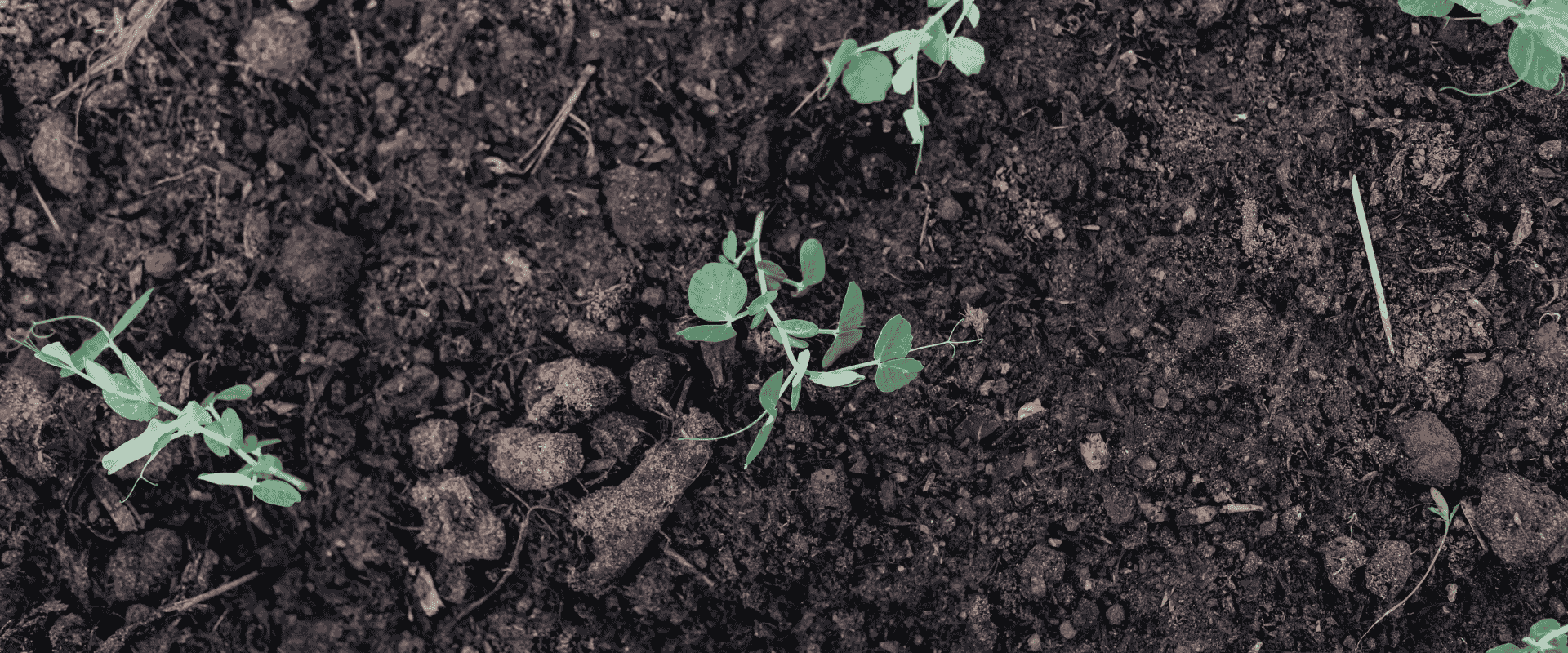
Navigate the critical weeks when seasons change with expert strategies for both Northern and Southern Hemisphere gardeners. Learn essential tasks, timing, and techniques for seamless garden transitions.
September marks one of gardening’s most pivotal moments – a time when gardens worldwide undergo dramatic transformations. Whether you’re experiencing the shift from summer to autumn in the Northern Hemisphere or winter to spring in the Southern Hemisphere, seasonal garden transitions require careful planning and precise timing to ensure your garden thrives through the change.
Seasonal transitions aren’t just about changing what you plant – they’re about understanding how your garden’s entire ecosystem shifts with temperature, daylight, and weather patterns. Master gardeners know that success lies not in fighting these changes, but in working harmoniously with nature’s rhythms.

Northern Hemisphere: Mastering the Autumn Transition
For Northern Hemisphere gardeners, September signals the beginning of autumn’s gentle descent. This fall garden transition period offers unique opportunities to extend harvests, prepare for winter, and set the foundation for next year’s success.
Temperature management becomes crucial as nights grow cooler while days remain warm. This temperature differential can stress plants, making season extension techniques essential. Row covers, cold frames, and hoop tunnels allow you to protect tender crops from unexpected early frosts while maintaining optimal growing conditions.
Harvest timing requires careful attention during autumn transitions. Many crops actually improve in flavour after light frosts – Brussels sprouts, kale, and parsnips develop sweetness as starches convert to sugars. However, warm-season crops like tomatoes, peppers, and basil need protection or harvesting before temperatures drop below 10°C (50°F).
Soil preparation during autumn transitions sets the stage for spring success. As plant growth slows, soil organisms remain active, making this ideal for adding compost, aged manure, and organic amendments. Cover crops planted now will protect and enrich soil through winter months.
Connect with autumn gardeners on Gardenstead who share real-time transition strategies, frost protection tips, and harvest timing advice from gardeners in similar climates. Join our global community and learn from experienced seasonal gardeners worldwide.
Southern Hemisphere: Embracing the Spring Awakening
Southern Hemisphere gardeners experience September as nature’s grand awakening – the spring garden transition that transforms dormant winter gardens into productive growing spaces. This transition requires different strategies but equal attention to timing and technique.
Soil warming becomes the primary focus as temperatures rise and daylight hours extend. Soil thermometers help determine when conditions are right for direct sowing cool-season crops like lettuce, spinach, and peas. Most seeds germinate best when soil temperatures consistently reach 10-15°C (50-59°F).
Frost protection remains important during spring transitions, as late frosts can devastate tender seedlings. Season extension structures work in reverse – protecting young plants from unexpected cold snaps while allowing maximum sun exposure during warming days.
Succession planting strategies become crucial during spring transitions. Staggered sowings every 2-3 weeks ensure continuous harvests throughout the growing season. Plan these successions now while soil and weather conditions are optimal for establishment.
Water management shifts dramatically during spring transitions. Winter-dormant irrigation systems need checking and repair, while soil moisture levels require careful monitoring as temperatures rise and plant water demands increase.
Universal Transition Strategies
Regardless of hemisphere, certain seasonal transition principles apply universally. Microclimate awareness helps you understand how different areas of your garden experience seasonal changes. South-facing slopes warm faster, while low-lying areas may experience frost longer.
Plant selection during transitions focuses on varieties suited to changing conditions. Cool-season crops thrive during temperature fluctuations, while warm-season plants need stable conditions. Understanding these preferences prevents costly planting mistakes.
Pest and disease management requires adjustment during seasonal transitions. Changing temperatures and humidity levels create different pest pressures. Beneficial insects may be less active, requiring alternative pest control strategies.
Tool and infrastructure preparation ensures smooth transitions. Northern gardeners prepare cold protection systems, while Southern gardeners ready irrigation and shade structures. Both hemispheres benefit from tool maintenance and supply inventory.

Advanced Transition Techniques
Microclimatic manipulation allows experienced gardeners to extend or accelerate seasonal transitions. Thermal mass from stones or water barrels moderates temperature swings. Reflective mulches increase light and warmth for cool-season crops.
Companion planting strategies change with seasons. Cool-season companions like lettuce and radishes work well during transitions, while warm-season partnerships require stable temperatures.
Succession planning extends beyond individual crops to entire garden sections. Rotating areas through different seasonal uses maximises productivity and soil health.
Technology and Seasonal Transitions
Modern gardeners leverage technology for better transition management. Weather monitoring apps provide frost warnings and temperature predictions. Soil thermometers ensure optimal planting timing. Growing degree day calculations help predict plant development rates.
Community knowledge sharing through platforms like Gardenstead provides real-time local insights that weather apps can’t match. Gardeners in your area share firsthand observations about microclimatic conditions and successful transition strategies.

Planning Your Transition Success
Successful seasonal garden transitions require advance planning and flexible execution. Create transition checklists for your specific climate and growing conditions. Document what works and what doesn’t for future reference.
Record keeping during transitions provides valuable data for improving future seasonal changes. Note temperature patterns, successful varieties, and timing of key tasks.
Whether you’re preparing for autumn’s arrival or spring’s awakening, seasonal transitions offer opportunities to deepen your gardening skills and connect with nature’s rhythms.
Ready to master your seasonal transitions? Join thousands of gardeners on Gardenstead sharing real-time transition strategies, local climate insights, and seasonal success stories. Our global community helps you navigate every seasonal change with confidence. Download Gardenstead today and transform your seasonal transitions into gardening triumphs!
