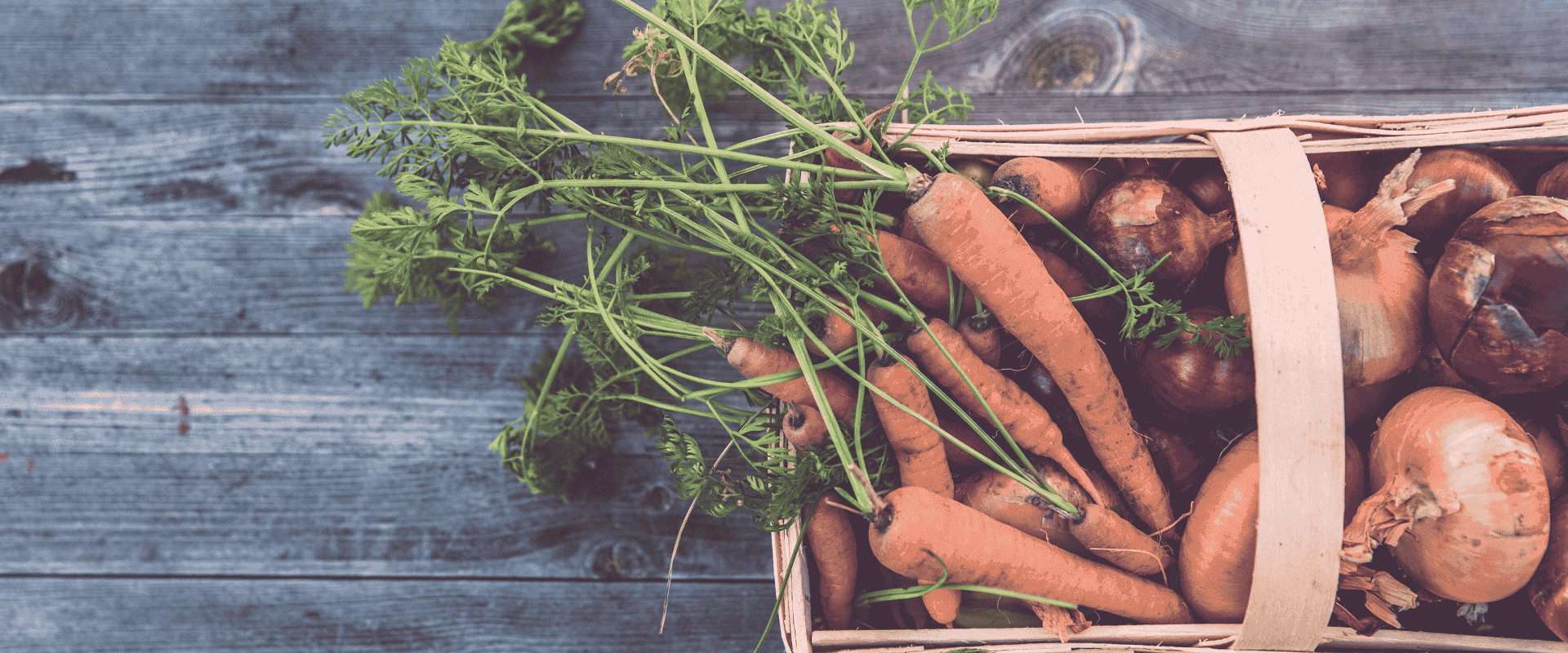
From Garden to Pantry: Simple Preservation Methods for Every Gardener

August brings the sweet reward of garden abundance – and the delightful challenge of preserving your harvest before it spoils. Whether you’re drowning in courgettes (aka zucchini), overwhelmed by tomatoes, or blessed with more herbs than you can use fresh, learning to preserve your garden harvest transforms seasonal gluts into year-round pantry treasures.
Share your current garden gluts and preservation wins with fellow gardeners in the Gardenstead app – your experience might inspire someone else’s preservation journey.
Why Preserve Your Garden Harvest?
Northern Hemisphere: Peak Preservation Season
August represents peak preservation season for Northern Hemisphere gardeners. Your garden is likely producing faster than you can consume, making preservation essential for:
Capturing peak nutrition when vegetables are at their freshest
Extending harvest value throughout autumn and winter months
Reducing food waste from overwhelming garden production
Creating pantry staples that save money year-round
Southern Hemisphere: Planning for Future Abundance
For Southern Hemisphere gardeners, late winter is perfect for planning preservation-worthy crops for your upcoming growing season. Consider which preserved foods your family uses most, then plan your spring plantings accordingly:
High-yield preservation crops like tomatoes, beans, and herbs
Storage vegetables that preserve well naturally
Herbs for drying that provide year-round flavouring
Connect with gardeners in your growing zone through the Gardenstead app to discover which preservation crops thrive in your specific climate.
Essential Preservation Methods
Herb Drying: Capturing Garden Aromatics
Air Drying Method:
Harvest herbs in the morning after dew evaporates. Bundle small bunches with rubber bands and hang in a warm, dry, well-ventilated area away from direct sunlight. Most herbs dry completely within 1-2 weeks.
Oven Drying:
Set oven to lowest temperature (50-60°C/120-140°F). Spread clean herb leaves on baking trays and dry for 2-4 hours, checking regularly.
Best Herbs for Drying:
Basil, oregano, thyme, rosemary, sage, and mint dry exceptionally well and maintain strong flavours for 12+ months.
Freezing Fresh Vegetables
Blanching Before Freezing:
Most vegetables benefit from blanching – briefly boiling then plunging into ice water – before freezing. This stops enzyme action that causes flavour loss.
Blanching Times:
Courgettes: 1-2 minutes (sliced 1.25 cm/½ inch thick)
Green beans: 3 minutes
Broccoli: 3 minutes
Sweetcorn kernels: 4 minutes
Flash Freezing:
Spread blanched vegetables on baking trays, freeze until solid, then transfer to freezer bags. This prevents clumping.
Tomato Preservation Methods
Freezing Whole Tomatoes:
Simply wash, remove stems, and freeze whole tomatoes in freezer bags. Skins slip off easily when thawed, perfect for sauces.
Oven-Dried Tomatoes:
Slice tomatoes 6mm (¼ inch) thick, arrange on baking trays, sprinkle with salt, and dry in oven at 60°C (140°F) for 6-12 hours.
Simple Tomato Sauce:
Cook down fresh tomatoes with garlic, herbs, and seasoning. Freeze in portion-sized containers for winter meals.
Document your tomato preservation experiments with photos in the Gardenstead app – share what worked and what you’d do differently.
Dealing with Common Garden Gluts
Courgette Solutions
Grated and Frozen:
Grate courgettes, drain excess moisture, and freeze in measured portions perfect for baking. Use directly from frozen in muffins and bread.
Courgette Chips:
Slice thinly, lightly salt, and dehydrate or oven-dry for healthy snacks that store for months.
Squash and Pumpkin Storage
Natural Storage:
Cure winter squash in sunny location for 10 days, then store in cool (10-15°C/50-60°F), dry place. Properly cured squash keeps for 6+ months.
Roasted and Frozen:
Roast squash chunks until tender, cool completely, then freeze in portions for soups and curries.
Bean and Pea Preservation
Blanch and Freeze:
Fresh beans and peas freeze beautifully after blanching. Maintain crisp texture for 8-12 months.
Dried Beans:
Allow bean pods to dry completely on plants, then shell and store dried beans in airtight containers.
Southern Hemisphere: Planning Your Preservation Garden
Crops Worth Growing for Preservation
High-Yield Preservation Vegetables:
Tomatoes: Choose paste varieties for sauce-making
Beans: Both fresh and drying varieties
Herbs: Basil, oregano, parsley for year-round seasoning
Onions: Store naturally for months when properly cured
Use winter months to research preservation methods, gather equipment, and plan garden layouts that support preservation goals.
Connect with Southern Hemisphere gardeners in the Gardenstead app’s Permaculture & Sustainability group to share preservation planning strategies
Storage Essentials
Basic Equipment
For Drying:
Drying racks, paper bags, airtight glass jars with tight-fitting lids.
For Freezing:
Quality freezer bags and containers, labels, large pot for blanching, ice bath setup.
Storage Techniques
Dried Herbs:
Store in airtight containers away from light and heat. Properly stored dried herbs maintain flavour for 1-2 years.
Frozen Vegetables:
Use within 8-12 months for best quality. Label everything with contents and date.
Building Community Through Preservation
Garden gluts provide perfect opportunities for community building. Share surplus with neighbours or preserve together with friends and family.
Traditional preservation wisdom often comes from community knowledge. What preservation methods did your grandparents use?
Every gardener develops favourite preservation techniques through trial and error. Some perfect herb drying methods, others master tomato sauce recipes.
Share your preservation successes in the Gardenstead app’s Vegetable Gardening group – your experience helps fellow gardeners learn.
Your Preservation Action Plan
This Week’s Tasks:
Assess your current garden gluts – what needs preserving immediately?
Choose appropriate preservation methods for your available time
- Start with herbs if you’re new to preservation – they’re forgiving and rewarding
Building Skills:
Experiment with different methods to find your favourites
Connect with experienced preservers for tips
Plan next year’s garden with preservation goals in mind
Join the Preservation Conversation
Preserving garden harvest connects us to traditional food wisdom while addressing modern concerns about food security and sustainability. Whether you’re dealing with your first courgette glut or perfecting grandmother’s recipes, you’re part of a global community making the most of garden abundance.
What’s your biggest garden glut right now? Share photos of your preservation projects in the Gardenstead app and connect with gardeners worldwide tackling similar challenges.
The Gardenstead app connects you with:
Preservation enthusiasts sharing tried-and-tested methods
Local gardeners dealing with similar seasonal gluts
Sustainable living advocates in the Permaculture & Sustainability group
Vegetable gardening experts with practical preservation advice
Download the Gardenstead app today and share your preservation journey with gardeners around the world.