gardenstead

Building Climate Resilience: Essential Strategies for Weather-Proof Gardens

By Jazlyn·
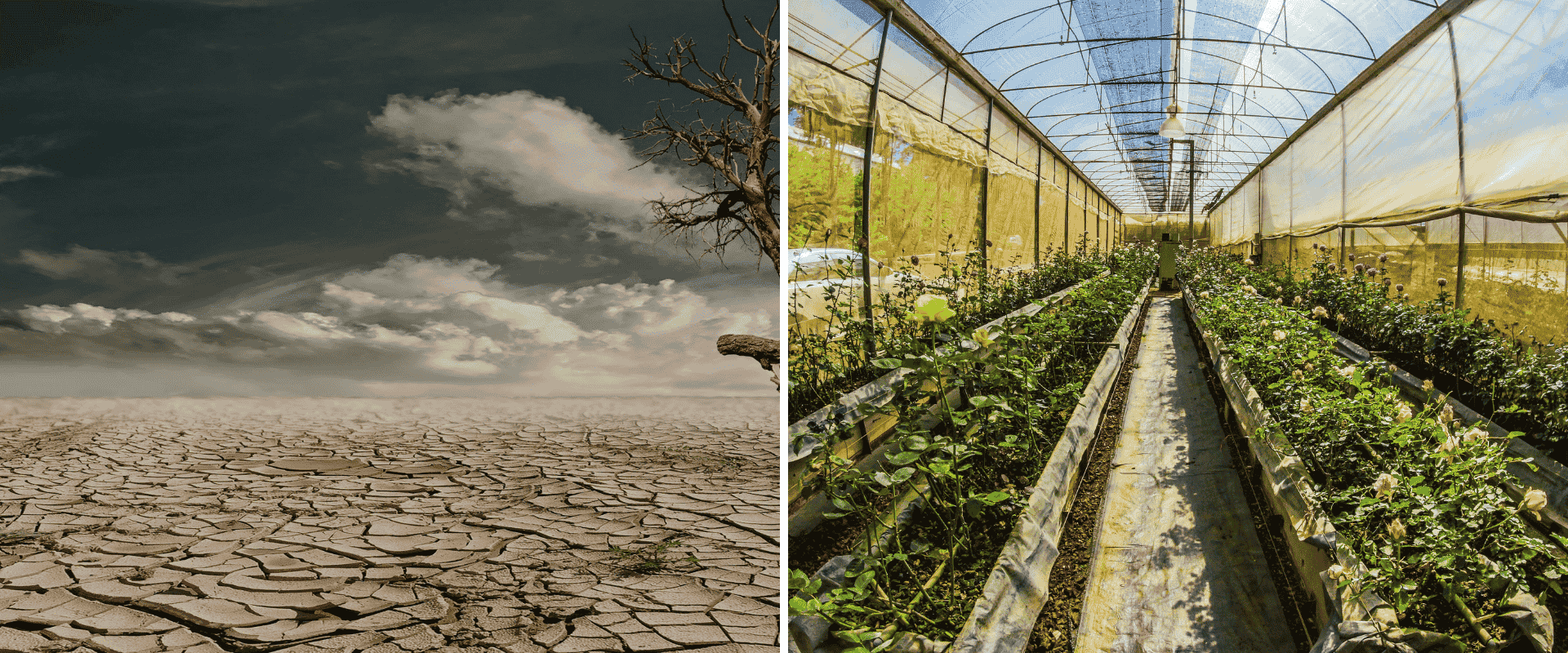
Building Climate Resilience: Essential Strategies for Weather-Proof Gardens

Extreme weather events are reshaping how we approach gardening worldwide. From record-breaking heatwaves to unpredictable rainfall patterns, gardeners are discovering that climate resilience isn’t optional – it’s essential for garden survival. Whether you’re facing prolonged drought, sudden temperature swings, or irregular seasons, building weather-proof gardens requires strategic planning and adaptive techniques.


Ready to connect with gardeners who’ve mastered climate adaptation? The Gardenstead app brings together weather-wise gardeners sharing proven strategies for extreme conditions.

The New Reality of Weather-Proof Gardening

Northern Hemisphere: Managing Extreme Summer Conditions

August brings unprecedented heat stress affecting even hardy plants, water scarcity forcing difficult garden choices, and shifting pest patterns as insects adapt faster than plants.


Southern Hemisphere: Preparing for Unpredictable Seasons

Southern Hemisphere gardeners face erratic frost patterns making traditional planting calendars unreliable, extended dry periods, and seasonal timing shifts affecting pollination schedules.


Join climate-focused discussions in the Gardenstead app’s Permaculture & Sustainability group.


Foundation Strategies for Climate Resilience

Soil as Your Climate Insurance Policy

Build Water-Holding Capacity: Incorporate 7.5-10 cm (3-4 inches) of organic matter annually. Well-structured soil with high organic content holds significantly more water during dry periods whilst draining excess during floods.

Strategic Mulching: Apply organic mulch 10-15 cm (4-6 inches) thick, maintaining 7.5 cm (3 inches) clearance from plant stems. This technique reduces water needs by up to 75% whilst moderating soil temperature extremes.


Water Security Infrastructure

Efficient Delivery Systems: Install drip irrigation or soaker hoses delivering water directly to root zones. These systems use 40-60% less water than overhead sprinklers.

Rainwater Harvesting: A modest 185 square metre (2,000 square foot) roof yields over 4,500 litres (1,200 gallons) from 2.5 cm (1 inch) rainfall.

Plant Selection for Extreme Conditions

Heat-Tolerant Food Production

Proven Vegetable Varieties: Focus on heat-adapted tomatoes like ‘Phoenix’ and ‘Stupice’, naturally heat-loving peppers and eggplants, and Mediterranean herbs including rosemary, oregano, and thyme that improve flavour under stress.

Succession Strategies: Plant smaller quantities more frequently rather than large single sowings. This spreads climate risk whilst ensuring continuous harvests even when some plantings fail.


Document your variety trials in the Gardenstead app’s photo-sharing features – help fellow gardeners identify the most resilient options.

Advanced Water Conservation Techniques

Smart Irrigation Timing

Deep, Strategic Watering: Water thoroughly 2-3 times weekly rather than daily light applications. This encourages deep root development and improves drought tolerance.

Optimal Timing: Irrigate during early morning hours (4-8 AM) to minimise evaporation losses.

Southern Hemisphere: Adaptive Infrastructure

Flexible Protection Systems: Install cold frames, hoop tunnels, and row covers that deploy quickly when weather threatens. Flexibility becomes crucial as seasonal patterns become unpredictable.

Indoor Backup Systems: Develop windowsill growing capacity and seed-starting infrastructure to maintain food production during extended adverse weather periods.


Connect with Southern Hemisphere gardeners in the Gardenstead app’s Indoor & Small Space Gardening group.

Community-Based Climate Adaptation

Local Expertise: Connect with gardeners understanding specific microclimates, soil conditions, and weather patterns. Local knowledge becomes increasingly valuable as conditions change.

Seed Networks: Participate in seed swaps focusing on climate-adapted varieties.

Implementation Strategy

Immediate Actions

  1. Assess current vulnerabilities in your garden’s climate resilience

  2. Prioritise soil improvement through organic matter additions

  3. Install water-efficient irrigation systems

Begin trialling heat-tolerant varieties in test areas

Join the Climate-Resilient Gardening Revolution

What extreme weather challenges is your garden facing? Share your adaptation experiments through the Gardenstead app and connect with gardeners worldwide who understand your climate pressures.

The Gardenstead app connects you with local climate adaptation experts, global community networks, and specialised discussion groups focused on climate-smart growing.

Download the Gardenstead app today and join the global community building climate-resilient gardens.

Gardenstead Mobile App

Stay in the Garden Loop

Sign up for our weekly newsletter. We promise to only share good stuff about plants and people who love plants.
