
Adapting Your Garden to Extreme Weather: Drought, Heat & Unpredictable Seasons
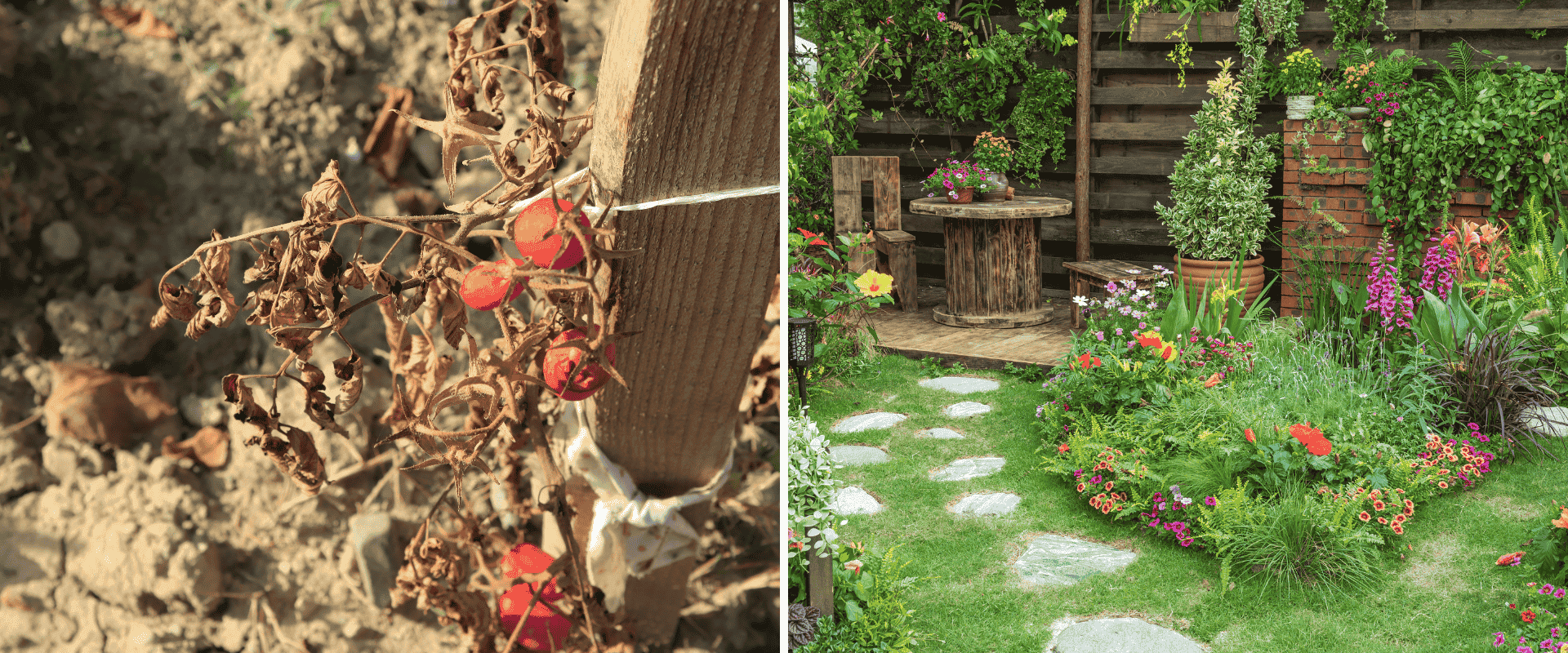
Creating a drought resistant garden has never been more crucial for gardeners worldwide. As extreme weather becomes the new normal – from unprecedented heatwaves to irregular rainfall patterns – gardeners are discovering that traditional growing methods need urgent adaptation. Whether you’re battling scorching temperatures in the Northern Hemisphere or preparing for unpredictable seasons ahead, building climate resilience ensures both survival and productivity.
Connect with climate-conscious gardeners through the Gardenstead app’s My Neighbourhood feature – share local adaptation strategies and support each other through extreme weather challenges.
Understanding Today’s Climate Challenges
Northern Hemisphere: Late Summer Stress Management
August brings peak stress for Northern Hemisphere gardens. Extended heat, irregular rainfall, and extreme weather events test even experienced gardeners:
Unprecedented drought conditions affecting traditional growing regions
Heat domes creating temperatures that stress even heat-tolerant plants
Irregular rainfall causing both drought stress and sudden flooding
Extended growing seasons that exhaust both plants and soil
Southern Hemisphere: Preparing for Climate Uncertainty
For Southern Hemisphere gardeners, late winter offers crucial preparation time for increasingly unpredictable growing seasons:
Unpredictable frost dates requiring flexible planting strategies
Extended or shortened seasons demanding adaptable garden designs
Water restrictions becoming more common during peak growing periods
Join the Gardenstead app’s Permaculture & Sustainability group to connect with gardeners worldwide sharing climate adaptation strategies.
Building Drought Resistant Garden Infrastructure
Soil: Your Climate Resilience Foundation
Improve Water Retention:
Add 5-7.5 cm (2-3 inches) of compost annually to increase organic matter content. Organic matter can hold up to 20 times its weight in water.
Create Deep Root Zones:
Use broadfork tools to break up compacted soil layers. Deep, open soil allows roots to access water stored lower in the soil profile.
Mulch Strategically:
Apply 7.5-10 cm (3-4 inches) of organic mulch around plants, keeping it 5 cm (2 inches) away from stems. Proper mulching reduces water evaporation by up to 70%.

Water-Wise Infrastructure
Install Efficient Irrigation:
Drip irrigation systems deliver water directly to root zones, reducing waste by up to 50% compared to overhead sprinklers.
Capture Rainwater:
Install rain barrels to capture roof runoff. A 2.5 cm (1 inch) rainfall on a 93 square metre (1,000 square foot) roof yields approximately 2,300 litres (600 gallons).
Create Microclimates:
Use shade structures and strategic plant placement to create cooler, more humid microclimates that reduce water needs.
Heat Tolerant Plants and Climate-Adapted Varieties
Selecting Resilient Varieties
Heat-Tolerant Vegetables:
-
Tomatoes: Choose varieties like ‘Phoenix’, ‘Heatmaster’, or ‘Stupice’
-
Peppers: Naturally heat-loving, most varieties thrive in high temperatures
-
Herbs: Mediterranean herbs like rosemary, thyme, and oregano excel in hot, dry conditions
-
Leafy Greens: Heat-resistant lettuce varieties and Asian greens
Drought-Resistant Flowers:
-
Native wildflowers adapted to your local climate conditions
-
Mediterranean plants like lavender, sage, and santolina
Succulents for decorative, water-wise landscaping

Timing Strategies
Succession Planting:
Plant smaller amounts more frequently rather than large single plantings. This spreads risk and ensures continuous harvest.
Season Extension:
Use shade cloth during extreme heat and row covers during unexpected cold snaps to moderate temperature extremes.
Document your variety trials with photos in the Gardenstead app – your experiments help fellow gardeners choose the best plants for changing conditions.
Water Conservation Garden Techniques
Smart Watering Strategies
Deep, Infrequent Watering:
Water deeply 2-3 times per week rather than daily shallow watering. This encourages deep root development and improves drought tolerance.
Morning Watering:
Water early morning (5-9 AM) to reduce evaporation losses and give plants time to absorb water before heat stress begins.
Greywater Systems:
Redirect washing machine and bathroom sink water to garden areas. Greywater can provide 150-400 litres (40-100 gallons) per household daily.
Drought-Survival Techniques
Prioritise Plant Zones:
Create water-priority zones in your garden. Focus limited water resources on highest-value crops and most vulnerable plants.
Companion Planting:
Plant water-loving crops in the shade of taller, drought-tolerant plants. This creates beneficial microclimates and maximises water efficiency.
Southern Hemisphere: Cold Protection and Season Extension
Preparing for Unpredictable Weather
Flexible Protection Systems:
Install removable cold frames, hoop tunnels, and row covers that can be quickly deployed when unexpected late frosts threaten tender plants.
Indoor Growing Infrastructure:
Set up windowsill growing areas and seed starting equipment to maintain food production during extended cold periods.
Cold-Hardy Varieties:
Choose vegetables that tolerate unexpected temperature drops: kale, Brussels sprouts, parsnips, and cold-hardy herbs.
Extending Growing Seasons Indoors
Microgreen Production:
Grow nutrient-dense microgreens indoors year-round. They require minimal space and provide fresh greens during challenging outdoor periods.
Windowsill Herb Gardens:
Maintain fresh herb production with indoor containers. Basil, parsley, and chives grow well in sunny windows during cold months.
Connect with Southern Hemisphere gardeners in the Gardenstead app’s Indoor & Small Space Gardening group for season extension tips.
Community Adaptation and Support Networks
Learning from Local Experience
Regional Climate Knowledge:
Local gardeners possess invaluable knowledge about microclimates, successful varieties, and adaptation strategies specific to your area.
Seed Sharing Networks:
Participate in local seed swaps to access climate-adapted varieties. Seeds from plants that survived local extreme weather often perform better.
Resource Sharing:
Share tools, water resources, and labour during extreme weather events. Community cooperation helps everyone maintain productive gardens.

Building Resilient Communities
Emergency Support Systems:
Establish networks for sharing water, providing plant care during extreme weather, and supporting gardeners facing climate challenges.
Knowledge Documentation:
Record successful adaptation strategies and variety performance to help the entire community adapt more effectively.
Share your climate adaptation successes in the Gardenstead app’s community groups – your local knowledge helps build collective resilience.
Your Climate Adaptation Action Plan
Immediate Steps:
-
-
-
Assess your garden’s climate vulnerabilities – which areas suffer most during extreme weather?
-
Improve soil water retention with compost additions
-
Install efficient irrigation systems for water conservation
-
-
Apply mulch to reduce water evaporation
Long-Term Adaptations:
-
-
-
Trial heat-tolerant and drought-resistant varieties
-
Create microclimates using shade structures
-
-
Build community support networks for resource sharing
Join the Climate-Resilient Gardening Movement
Climate change presents unprecedented challenges, but gardeners worldwide are rising to meet them with innovation, adaptation, and community support. Whether you’re implementing water-wise techniques or trialling heat-tolerant varieties, you’re part of a global movement building resilience into our food systems.
What climate challenges are you facing? Share photos of your adaptation strategies in the Gardenstead app and connect with gardeners worldwide who understand your specific challenges.
The Gardenstead app connects you with:
-
Local gardeners sharing region-specific climate adaptation strategies
-
Global community members trialling similar solutions
-
Permaculture enthusiasts focused on sustainable, resilient growing methods
Download the Gardenstead app today and join gardeners worldwide building climate-resilient gardens for an uncertain future.